
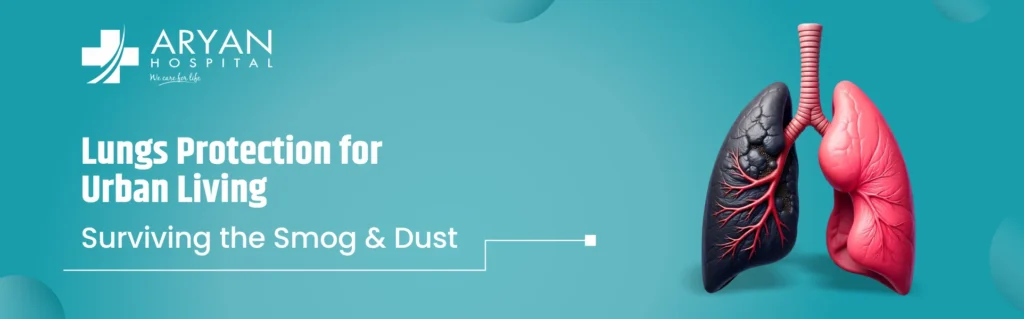
Urban areas have high levels of smoke, dust and harmful particles. These elements enter the air every day from vehicles, construction sites, factories and many other sources. People who live in cities breathe this polluted air regularly, which can harm the lungs over time. For this reason, lungs protection becomes an important part of daily living. Understanding the risks and knowing simple methods to reduce harm can help people maintain better lung health.
Air Pollution in Cities
Air pollution is a major problem in most large cities. The air often contains harmful gases and tiny particles that are not visible to the eye. These particles enter the lungs with each breath. Continuous exposure can lead to coughing, breathing trouble and long term lung problems. Due to these risks, lungs protection is necessary for people who stay in urban environments for long periods.
Smog and Its Effects
Smog is a mix of smoke and fog that forms in certain weather conditions. It becomes thicker during winter and in areas with heavy traffic. Smog reduces the quality of air and affects the lungs. It can cause irritation, chest tightness and difficulty in breathing. People with asthma or weak lungs may experience more serious symptoms. Avoiding outdoor activity during high smog hours is a helpful step for lungs protection.
Dust in Urban Areas
Dust is another major concern. Road dust, construction dust and dust from dry weather enter homes and workplaces easily. Dust particles can irritate the respiratory system and can settle deep inside the lungs. Keeping living spaces clean and reducing dust exposure is an important part of lungs protection in daily life.
Use of Masks
Wearing masks can greatly reduce the amount of dust and pollution entering the lungs. Masks with proper filtration can block many harmful particles from the air. They are helpful during travel, walking on busy roads or being near construction areas. Using masks regularly is one of the simplest methods for lungs protection in polluted environments.
Indoor Air Quality
Indoor air can also contain pollutants. Smoke from cooking, dust from furniture and chemicals from cleaning products can all affect the lungs. Ventilating rooms, cleaning filters and reducing indoor smoke can improve the quality of indoor air. Clean indoor air supports overall lungs protection and reduces the strain on the respiratory system.
Role of Plants
Plants help clean the air naturally. Indoor plants can absorb harmful substances and increase oxygen levels. They help improve air quality in homes and offices. Placing suitable air‑purifying plants in indoor environments adds an extra layer of lungs protection through natural processes.
Healthy Food for Better Lungs
A simple and balanced diet supports lung health. Foods like fruits, vegetables and warm liquids help the body remove toxins. Drinking enough water keeps the throat and lungs moist, which reduces irritation. Healthy food habits act as internal support for lungs protection and overall well being.
Exercise with Caution
Physical activity improves breathing capacity and strengthens the lungs. However, outdoor exercise in polluted areas can do more harm than good. It is better to exercise indoors when pollution levels are high. Deep breathing exercises can also support clean airflow in the lungs. These habits help maintain effective lungs protection while avoiding exposure to harmful air.
Regular Health Check Ups
Lung problems may not show clear signs at the early stage. Regular check ups can help detect issues before they become serious. People who live in highly polluted cities can benefit from routine lung tests. Early action and medical advice play an important role in long term lungs protection and disease prevention.
Clean Living Environment
A clean home reduces exposure to dust and pollutants. Sweeping, vacuuming and cleaning air filters can lower the amount of harmful particles indoors. Using simple cleaning methods regularly helps reduce lung irritation. A clean environment is an essential part of lungs protection in everyday life.
Conclusion
Urban pollution makes lung care important for people of all ages. Simple steps such as wearing masks, improving indoor air, eating healthy food and reducing dust can help protect the lungs from daily exposure. Regular check ups also help in early detection of lung problems. For professional care and guidance, people can visit Aryan Hospital, a trusted Multispeciality Hospital in Gurgaon, for support and treatment related to lung health.