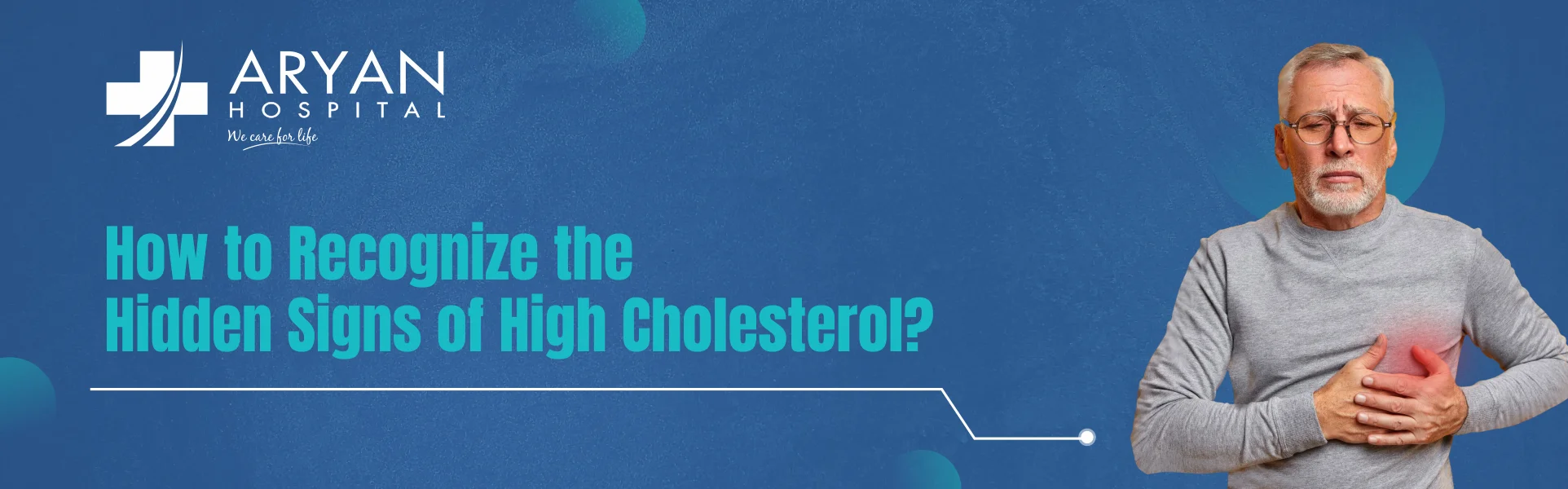
High cholesterol is a common health condition. It happens when too much fat builds up in the blood. This fat is called cholesterol. The body needs some cholesterol to work properly. But too much of it can be dangerous. It can block blood vessels and lead to heart problems. Knowing the signs of high cholesterol is very important for early care and better health.
What is Cholesterol?
Cholesterol is a fatty substance found in the body. The liver makes most of the cholesterol. Some cholesterol also comes from food, like meat, eggs and dairy. There are two main types of cholesterol. One is good and one is bad. Good cholesterol is called HDL. Bad cholesterol is called LDL. When LDL becomes too high, it can stick to the walls of blood vessels. This makes blood flow slow or blocked.
Why is High Cholesterol Dangerous?
High cholesterol usually does not show clear symptoms at first. That is why many people do not know they have it. Over time, high cholesterol can cause many problems. These problems include heart attacks, strokes and other serious diseases. Learning the signs of high cholesterol can help prevent these issues.
1. Chest Pain or Discomfort
Chest pain may be a sign of blocked blood vessels. This happens when cholesterol builds up in the arteries. The heart does not get enough oxygen rich blood. This can cause pain or a heavy feeling in the chest. This is one of the most common signs of high cholesterol.
2. Fatigue or Weakness
High cholesterol can cause the heart to work harder. This may lead to feelings of tiredness or weakness. People may feel very tired even after resting. This is another one of the signs of high cholesterol that should not be ignored.
3. Shortness of Breath
When blood vessels are blocked, the lungs may not get enough oxygen. This can cause shortness of breath. It may happen during small tasks like walking or climbing stairs. This is one of the possible signs of high cholesterol.
4. Numbness in Hands or Feet
Poor blood flow can make the hands and feet feel numb or cold. This may happen often. When cholesterol blocks the small blood vessels in the limbs, it reduces circulation. This is one of the lesser known signs of high cholesterol.
5. Yellow Patches on the Skin
Some people may see yellow patches near the eyes or on the skin. These are called xanthelasmas. They are made of fat deposits under the skin. These patches are not painful but they can show that cholesterol levels are too high. This is one of the visible signs of high cholesterol.
6. Dizziness or Lightheadedness
High cholesterol can reduce blood flow to the brain. This may cause dizziness. Some people may feel faint or lightheaded. This is one of the warning signs of high cholesterol that may point to poor circulation.
7. Slow Healing Wounds
Cuts or wounds that take a long time to heal may be a result of high cholesterol. Poor blood flow delays the healing process. The skin and tissues do not get enough oxygen. This is another hidden sign of high cholesterol.
8. High Blood Pressure
High cholesterol and high blood pressure often happen together. When arteries are blocked, the heart must work harder to pump blood. This raises blood pressure. High blood pressure is not a direct symptom but it often exists with other signs of high cholesterol.
9. Irregular Heartbeat
An irregular heartbeat or palpitations may also be linked to high cholesterol. Blocked arteries can stress the heart. This may cause the heart to beat faster or in an unusual rhythm. This is one of the serious signs of high cholesterol and should be checked by a doctor.
Who is at Risk?
People with unhealthy eating habits are more likely to have high cholesterol. Foods high in saturated fats, like fried foods, red meat and full fat dairy, can raise cholesterol levels. Other risk factors include lack of exercise, smoking and being overweight. Family history can also increase the risk. People over the age of 40 should be more careful. Regular blood tests can help detect high cholesterol early.
Prevention and Control
High cholesterol can be managed with lifestyle changes. Eating more fruits, vegetables, whole grains and lean protein helps lower bad cholesterol. Regular exercise, such as walking or cycling, improves heart health. Avoiding tobacco and alcohol is also helpful. In some cases, doctors may prescribe medicines called statins to reduce cholesterol. These medicines are used when lifestyle changes are not enough. Knowing the signs of high cholesterol and acting early can stop it from becoming worse.
Conclusion
High cholesterol does not always cause clear symptoms. But there are small changes in the body that may act as signs. These signs of high cholesterol include chest pain, fatigue, shortness of breath and yellow patches on the skin. Other signs are dizziness, numbness and slow healing wounds. Understanding these signs helps people take better care of their health.
Early tests and doctor visits are important. People living in urban areas should be extra careful because of busy lifestyles and unhealthy diets. Those looking for a trusted General Physician in Gurgaon can visit Aryan Hospital for guidance and treatment. Early action saves lives and improves long term health.