
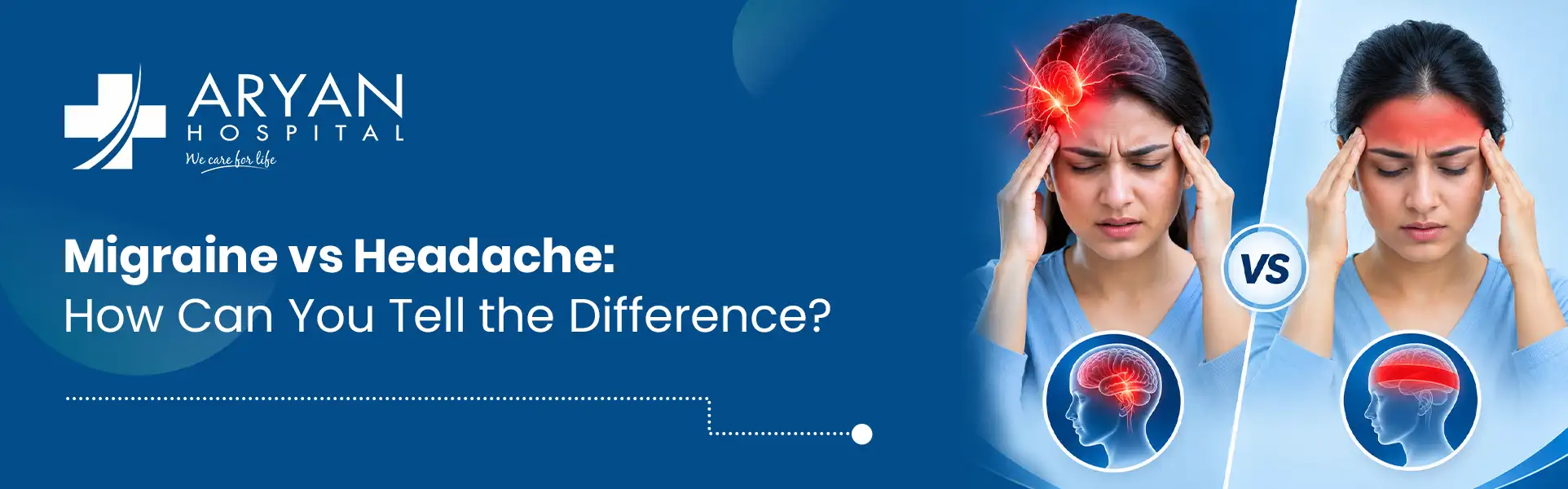
Head pain is common but not every headache feels the same. Some are mild and settle with rest. Others can stop work, sleep or daily plans. Understanding migraine vs headache can help you notice what kind of pain you may be dealing with.
It also helps to know the main types of headaches and causes. The place of pain, how long it lasts and whether you have nausea or light sensitivity can give useful clues.
Paying attention to these small details can make it much easier to explain the problem when you speak with a doctor.
What Is a Headache?
A headache is pain or pressure in the head, face or upper neck. It may feel dull, tight, sharp or heavy.
When looking at migraine vs headache, remember that migraine is one type of headache disorder.
Learning the types of headaches and causes can make it easier to explain your symptoms clearly to a doctor. Some headaches last for a short time, while others may keep coming back and affect concentration, sleep or normal daily activities.
What Is a Migraine?
A migraine is more than a strong headache. It can cause repeated attacks of moderate or severe pain. The pain is often throbbing or pulsing and may affect one side of the head, though both sides can hurt.
The migraine vs headache difference becomes clearer when nausea, vomiting or strong sensitivity to light and sound appear.
Some people may also feel very tired before or after an attack. Others may notice visual changes, tingling or other warning signs before the pain starts.
Difference Between Migraine and Headache
Migraine and common headaches can overlap but a few simple signs can help you understand how they are different.
| Common Headache | Migraine | |
| Pain | Often mild to moderate | Often moderate to severe |
| Feeling | Pressure or tightness | Often throbbing or pulsing |
| Activity | May not make pain worse | Movement can make pain worse |
| Nausea | Less common | Can happen |
| Light and sound | Usually less sensitive | Sensitivity is common |
This simple view of migraine vs headache can help but symptoms may overlap. A medical check may be needed if the pattern is not clear.
Keeping track of when the pain starts and what happens with it can also make the difference easier to understand.
Common Types of Headaches and Their Causes
There are many types of headaches and causes and they do not all feel the same.
Common examples include:
- Tension type headache, which may feel like pressure or a tight band.
- Migraine, which may bring throbbing pain, nausea or light sensitivity.
- Cluster headache, which can cause very severe pain around one eye.
- Sinus related headache, which may happen with sinus inflammation.
- Medication overuse headache, which can happen when some pain medicines are used too often.
Knowing the types of headaches and causes can help you notice patterns instead of treating every headache in the same way. The location of pain, timing, triggers and other symptoms can all give useful clues about what may be happening.
How Does a Tension Headache Feel?
A tension type headache often causes dull, aching pain. Many people describe it as pressure around the forehead or on both sides of the head.
In the migraine vs headache comparison, tension headache is less likely to cause nausea or vomiting. Normal movement also does not usually make the pain worse. Migraine pain may become worse with activity.
The types of headaches and causes matter because the right treatment depends on the actual problem. Stress, long screen time, poor sleep or tight neck muscles may also play a role in some tension headaches.
What Can Trigger a Migraine?
Migraine triggers are different for everyone. Poor sleep, stress, missed meals, bright lights, strong smells or hormonal changes may be linked with attacks in some people.
Understanding migraine vs headache also means noticing what happens before the pain begins. A simple headache diary can help you see a pattern.
For example, you may notice that attacks happen after skipping lunch, sleeping late or spending too much time in bright light. Small patterns like these can be useful.
What Symptoms Suggest Migraine?
Migraine can cause more than head pain. You may notice nausea, light or sound sensitivity, throbbing pain or pain that becomes worse with normal activity.
These signs can help you understand whether the pain feels more like a migraine or another common headache. Some people may also want to lie in a quiet, dark room because normal light or noise feels uncomfortable during an attack.
When Should a Headache Be Checked?
Get urgent medical help for a sudden, very severe headache or a headache with weakness, numbness, trouble speaking, confusion, seizures, high fever, stiff neck or after a serious head injury.
The types of headaches and causes can range from simple problems to more serious conditions, so a new or very different headache should not be ignored.
You should also speak with a doctor if headaches are happening more often, getting stronger, waking you from sleep or regularly affecting work and daily life.
How Do Doctors Find the Cause?
A doctor may ask where the pain starts, how long it lasts, what it feels like and what other symptoms happen with it. They may also ask about sleep, stress, medicines, food and family history.
For migraine vs headache the pattern of symptoms is often very important. Tests are not needed for every headache but they may be advised when warning signs are present.
Understanding the types of headaches and causes helps the doctor decide what care may be needed. A clear history of your headaches can sometimes be just as useful as describing how strong the pain feels.
What Can Help With Headaches and Migraine?
Treatment depends on the type of headache. Rest, enough water, regular meals, better sleep and stress control may help some people.
Migraine may need specific medicines to treat attacks or reduce how often they happen. Taking pain medicine too often can sometimes make headaches more frequent.
That is why it is better to understand your headache pattern before using the same remedy again and again. A doctor can also help choose treatment based on how often headaches happen and how much they affect your routine.
Why a Headache Diary Can Help
A simple diary can be useful. Write down when the pain starts, where it hurts, how long it lasts, what you ate, how you slept and whether other symptoms appeared.
This can make migraine vs headache easier to discuss during a medical visit. It can also help your doctor understand the types of headaches and causes that fit your pattern.
Over time the diary may show small links that are easy to miss, such as poor sleep, skipped meals, stress, certain foods or changes in your normal routine.
Conclusion
Migraine and ordinary headaches can feel similar at first but there are useful differences. Migraine often brings stronger, pulsing pain with nausea or sensitivity to light and sound, while tension headaches may feel more like pressure or tightness.
Understanding migraine vs headache and the main types of headaches and causes can help you know when simple care may be enough and when medical advice is needed.
Paying attention to your symptoms, triggers and headache patterns can also help you get the right care sooner.
If repeated or severe headaches are affecting daily life, speaking with a neuro doctor can help.
Aryan Hospital can support evaluation and treatment based on your symptoms, headache pattern and overall health.