
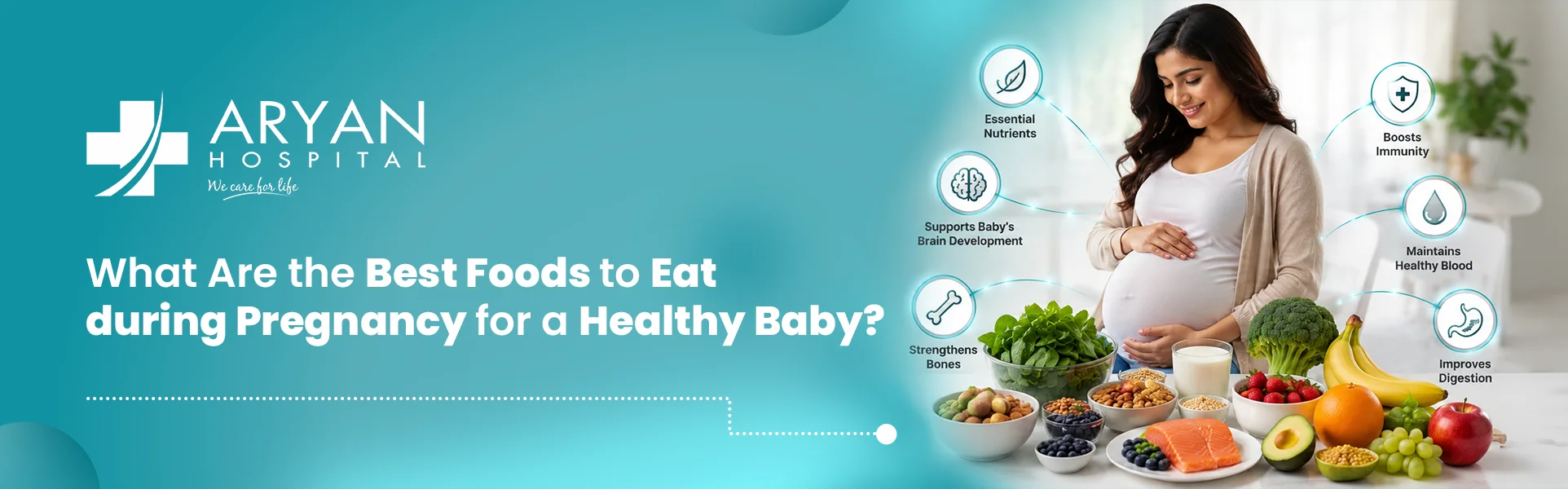
Pregnancy brings many changes and food becomes one of the biggest daily concerns. Advice may come from family, friends and social media, which can sometimes feel confusing. The truth is simple: there is no single perfect pregnancy meal. The best Foods to eat during pregnancy are fresh, safe, varied and suitable for your health needs.
A balanced plate can support the mother’s energy and provide important nutrients for the baby’s growth. Regular meals may also make it easier to manage hunger, tiredness and sudden food cravings throughout the day. Every pregnancy is different, so personal advice from a doctor should always come first.
What Foods Should You Eat During Pregnancy for a Healthy Baby?
Green Leafy Vegetables
Green vegetables are a smart place to begin. Spinach, bathua, methi, broccoli, peas and other greens provide folate, fibre, iron and several important vitamins.
Among the useful Foods to eat during pregnancy, leafy vegetables are easy to add to Indian meals. You can include them in dal, paratha, soup, sabzi, khichdi or cheela. Wash them carefully and cook them properly. When nausea makes a large portion difficult, begin with a small amount and slowly increase it.
Protein Rich Foods
Protein helps build body tissues and supports the growing baby. Good sources include dal, beans, chickpeas, rajma, soy, paneer, curd, eggs, chicken and properly cooked fish. Vegetarians can meet their protein needs by mixing pulses, dairy products, soy, nuts and seeds throughout the day.
Protein rich Foods to eat during pregnancy do not need to be expensive. Simple homemade meals can provide good nutrition when they include a mix of healthy ingredients. Eggs, meat, chicken and fish must be cooked fully. Raw or half cooked animal foods may carry harmful germs, so it is better not to take any chances.
Milk, Curd and Other Dairy Foods
Calcium supports the baby’s developing bones and teeth while helping the mother protect her own bone health. Milk, curd, paneer and pasteurised cheese are common sources of calcium and protein.
Dairy items are helpful Foods to eat during pregnancy but they should always be pasteurised and stored safely. Avoid raw milk and products made from unpasteurised milk. Women who cannot digest dairy can ask their doctor about other calcium sources, such as ragi, tofu, sesame seeds, fortified foods or suitable supplements.
Whole Grains and Healthy Carbohydrates
Carbohydrates provide the energy needed to manage daily activities and pregnancy related changes. Better choices include whole grains and less processed foods. Whole wheat roti, oats, brown rice, daliya, millet, poha and sweet potato can provide steady energy along with useful fibre.
These Foods to eat during pregnancy may also help manage constipation, which is common during this time. Eating too much white bread, sweets, fried food or refined flour may cause discomfort and unwanted weight gain. Pair grains with vegetables and protein to make each meal more balanced and filling.
Colourful and Seasonal Fruits
Fruits provide vitamins, fibre, water and natural sweetness. Apples oranges, bananas, guava, pears, pomegranate, berries and seasonal fruits can all be part of a healthy pregnancy diet.
Fruits are convenient Foods to eat during pregnancy, especially when hunger appears between meals. Wash them properly before cutting or eating. Avoid fruit that has been cut and left open for a long time. It is usually better to eat whole fruit instead of drinking packaged juice.
Women with gestational diabetes or high blood sugar should ask their doctor about the correct fruit type, portion and timing.
Nuts, Seeds and Healthy Fats
Healthy fats support the baby’s brain and eye development. Nuts and seeds also provide protein, fibre and useful minerals. Almonds, walnuts, peanuts, chia seeds, flaxseeds, pumpkin seeds and sesame seeds can be eaten in small amounts.
These Foods to eat during pregnancy work well as quick snacks between meals. However, more is not always better. Choose plain options instead of heavily salted, sugar coated or deep fried ones. Anyone with a nut allergy should avoid them and speak to a doctor about safer alternatives.
A Simple Pregnancy Meal Guide
A healthy pregnancy meal does not need to look perfect or expensive. It only needs balance, safety and regularity. Small changes can make everyday meals more nourishing.
- Start the day with vegetable poha, oats, stuffed roti with curd or fully cooked eggs with toast.
- Add protein to lunch and dinner through dal, paneer, beans, chicken, eggs or fish.
- Include at least one fresh vegetable in the main meals.
- Keep fruit, roasted chana, curd or nuts ready for small snacks.
- Drink water regularly instead of waiting until you feel very thirsty.
- Take iron, folic acid, calcium or other supplements only as advised by your doctor.
Foods and Habits to Be Careful About
Food safety matters just as much as food quality during pregnancy. Avoid raw or undercooked eggs, meat, chicken and seafood. Unpasteurised milk and dairy products should also be avoided.
Wash fruits and vegetables properly before eating or cooking them. Keep raw and cooked foods separate and refrigerate leftovers quickly. Avoid eating stale food or items that have been kept outside for several hours.
Limit foods that contain too much sugar, salt or unhealthy fat. Too much tea or coffee may also be a concern, so discuss your daily caffeine intake with your doctor.
Herbal powders, detox drinks and supplements should not be taken simply because they are labelled “natural.” Some products may not be safe during pregnancy or may react with prescribed medicines.
Listen to Your Body
Pregnancy appetite can change from one week to the next. Some days you may feel very hungry, while on other days nausea may make eating difficult. Small and frequent meals may help.
Keep plain foods nearby, avoid long gaps between meals and choose items that feel gentle on your stomach.
Speak to your doctor when you cannot keep food down, lose weight, feel extremely weak or have anaemia, diabetes, thyroid problems or high blood pressure.
Your daily meal plan may require special changes based on your health and stage of pregnancy.
Conclusion
Choosing the right Foods to eat during pregnancy is about balance, safety and variety rather than strict rules or expensive products.
Include vegetables, fruits, protein, whole grains, pasteurised dairy, nuts and enough fluids while following medical advice.
Women looking for experienced gynaecologist doctors in Gurgaon can consult Aryan Hospital for personalised nutrition guidance, regular pregnancy care and support based on their individual health needs.